CSR & The Companies Act 2013
India always strives for peace, justice & giving back to the society is well known to the world it is in our DNA. But from last few decades we are struggling for equitable, inclusive and sustainable growth.
India is a country of many contradictions at one hand, it has grown to be one of the largest economies in the world and an important player of the global economy and on the other hand we are with largest number of people living in absolute poverty and undernourished children. This is due to uneven distribution of the benefits of growth which is the root cause of social unrest.
With increasing awareness of this gap between the haves and the have-nots many companies are more proactive sensing the need of the time and societal expectations but a large number of companies need to be pushed to respond the situations.
The inclusion of the CSR mandate under the Companies Act, 2013 is an attempt to supplement the government’s efforts of equitably delivering the benefits of growth and to engage the Corporate World with the country’s development agenda.
This combination of regulatory as well as societal pressure has meant that companies have to pursue their CSR activities more professionally.
The Global understanding of CSR
India is a first country to make CSR mandatory through The Companies Act, 2013 with an idea to bring CSR on the forefront and through its comply-or-explain, promoting greater transparency and disclosure. Schedule VII of the Act, which lists out the CSR activities, suggests communities to be the focal point.
A well thought of company’s relationship to its stakeholders and integrating CSR into its core operations, the rules suggest that CSR needs to go beyond communities and beyond the concept of philanthropy. It is an opportunity to corporate fraternity to participate in the process of inclusive growth of the country by translating their CSR mission & vision into action at the ground level to make a change in the society.
Section 135 of The Companies Act 2013
In India, the concept of CSR is governed by section 135 of the Companies Act, 2013, which was passed by both Houses of the Parliament, and had received the assent of the President of India on 29 August 2013.
1.Applicability
a)On all Companies;
b)If
I.Net worth of rupees five hundred crore or more, or;
II.Turnover of rupees one thousand crore or more, or;
III.A net profit of rupees five crore or more during any financial year.
c)Applicable from the fiscal year 2014-15 onwards.
2.Governance
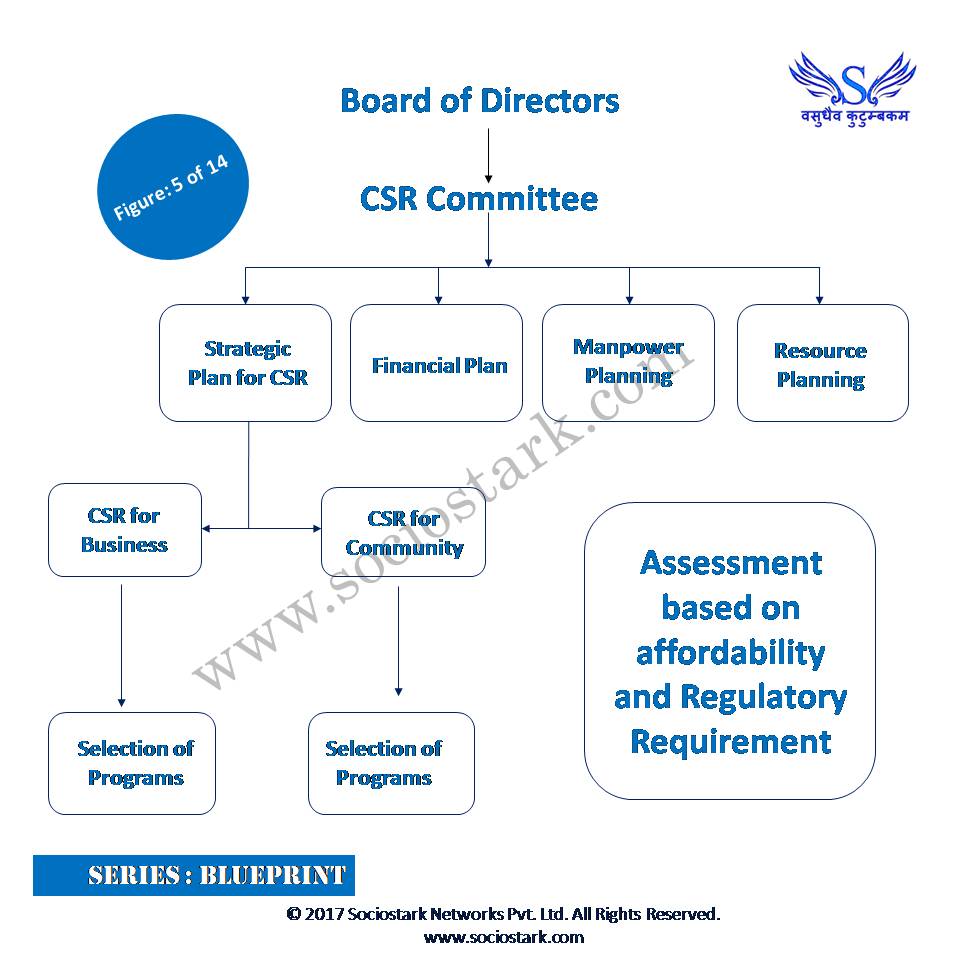
Section 135 of the Act lays down the guidelines to be followed by companies while developing their CSR program. The CSR committee will be responsible for preparing a detailed plan on CSR activities, including the expenditure, the type of activities, roles and responsibilities of various stakeholders and a monitoring mechanism for such activities. The CSR committee can also ensure that all the kinds of income accrued to the company by way of CSR activities should be credited back to the CSR corpus.
3.Framework
a)Formation of CSR Committee
b)Responsibility of CSR Committee & Board
The CSR committee shall:
The board of every company shall :
i.Approve the CSR Policy for the company after taking into account the recommendations made by the CSR Committee; disclose contents of such Policy in its report and also place it on the company’s website, if any, in such manner as may be prescribed
ii.Ensure that the activities as are included in CSR Policy of the company are undertaken by the company
iii.Provided further that if the company fails to spend such amount, the Board shall, in its report made, specify the reasons for not spending the amount.
The board of every company shall :
i.Approve the CSR Policy for the company after taking into account the recommendations made by the CSR Committee; disclose contents of such Policy in its report and also place it on the company’s website, if any, in such manner as may be prescribed
ii.Ensure that the activities as are included in CSR Policy of the company are undertaken by the company
iii.Provided further that if the company fails to spend such amount, the Board shall, in its report made, specify the reasons for not spending the amount.
c)CSR Policy
The Companies Act, 2013 requires every company to give wide publicity to its CSR policy in the public domain and CSR Policy should:
•Exclude normal business activities of th
•Contain a list of the CSR projects or programs which the company plans to undertake.
•Contain a Monitoring framework for such projects and programs.
4. What is the “2% of net profits” & How to Compute
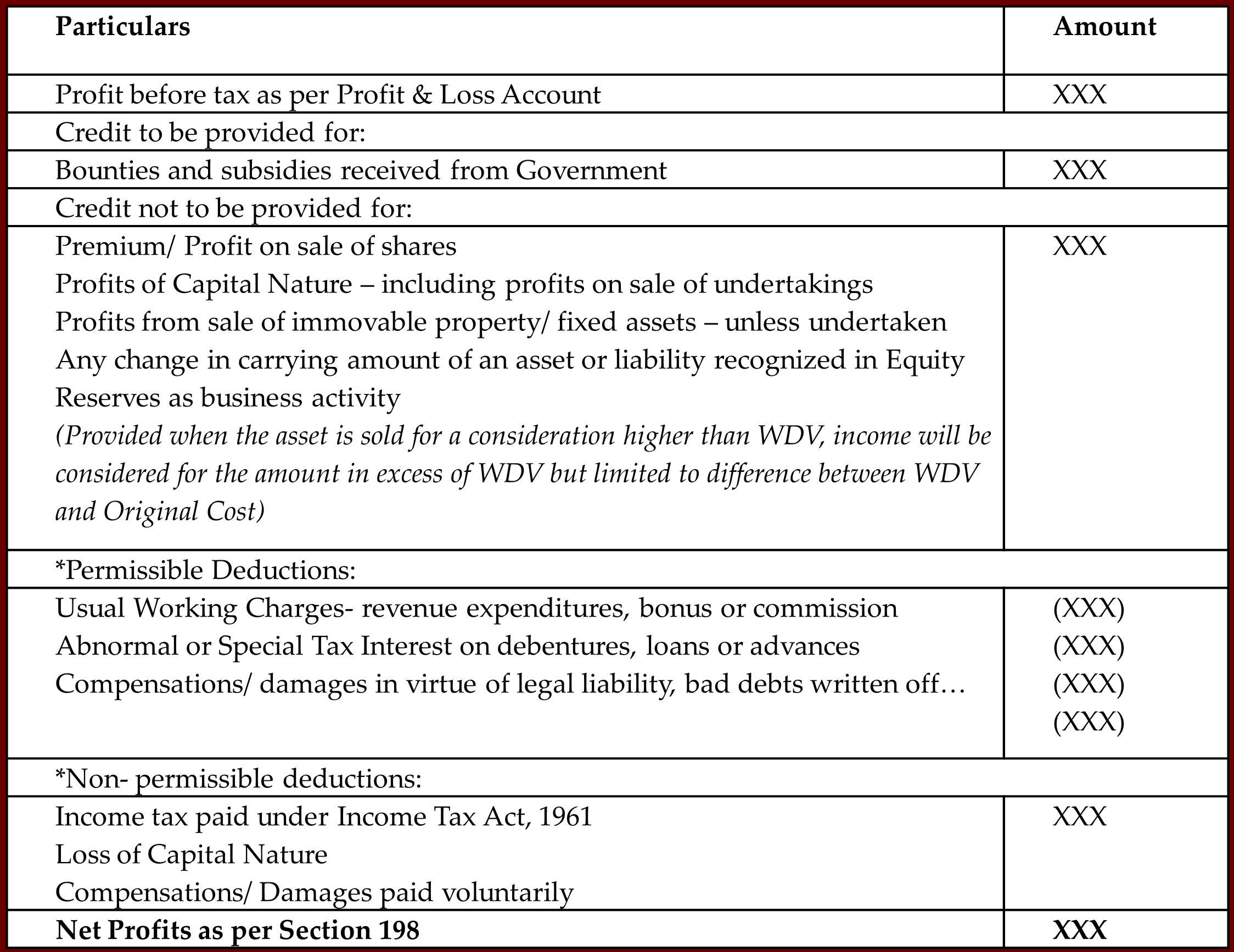
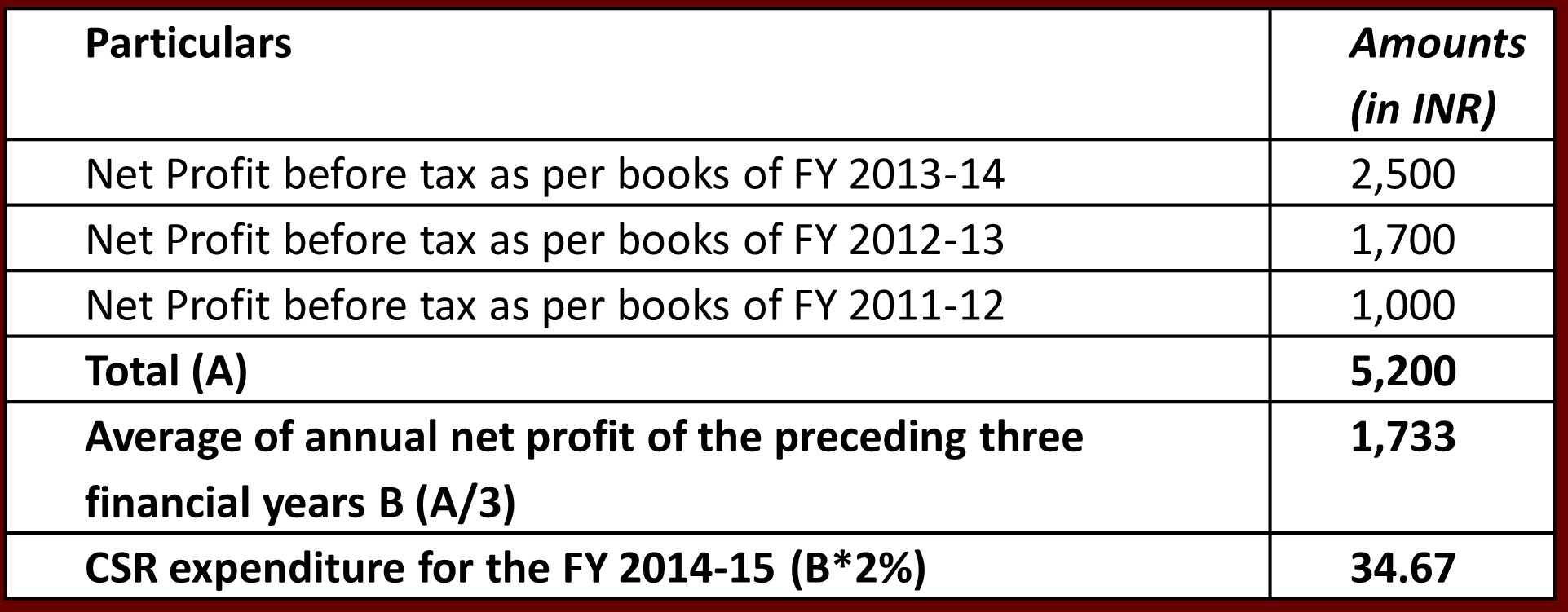
Section 135(5) places a responsibility on the Board for ensuring that at least 2% of the “average net profits” for the preceding three financial years on CSR activities.
Also the “Average net profits” would have to calculated as per provisions of Section 198 [Explanation to Section 135]
For calculating average net profit, the individual net profit for preceding three financial years would be calculated as mentioned below :
After calculating individual net profits for preceding three years, their average has to be taken:
In computation of net profits as above following shall not be included: [Rule 2(f)]
a)Any profits arising from any overseas branch or branches of the company, whether operated as separate company or otherwise;
b)Any dividend received from any company in India, which is covered under and complying the provisions of Section 135.
In case of foreign company covered under section 135, Net Profit would mean net profit of the company as per Profit & Loss Account prepared in terms of Section 381(1)(a) & Section 198.
5.CSR Activities [Rule 4]
The CSR activities would include activities undertaken by the Company pursuant to its CSR Policy, excluding activities undertaken in normal course of its business, provided these activities are covered under the activities mentioned in Schedule VII of the Act.
As per Rule 4(4) and subject to proviso to Section 135(5), only activities undertaken in India would amount to CSR Expenditure.
Moreover, contribution of any amount directly or indirectly to any political party u/s 182 would not be considered as a CSR activity. [Rule 4(7)]
CSR activities undertaken solely for the benefit of employees of the Company or their family would not be treated as CSR expenditure. [Rule 4(5)]
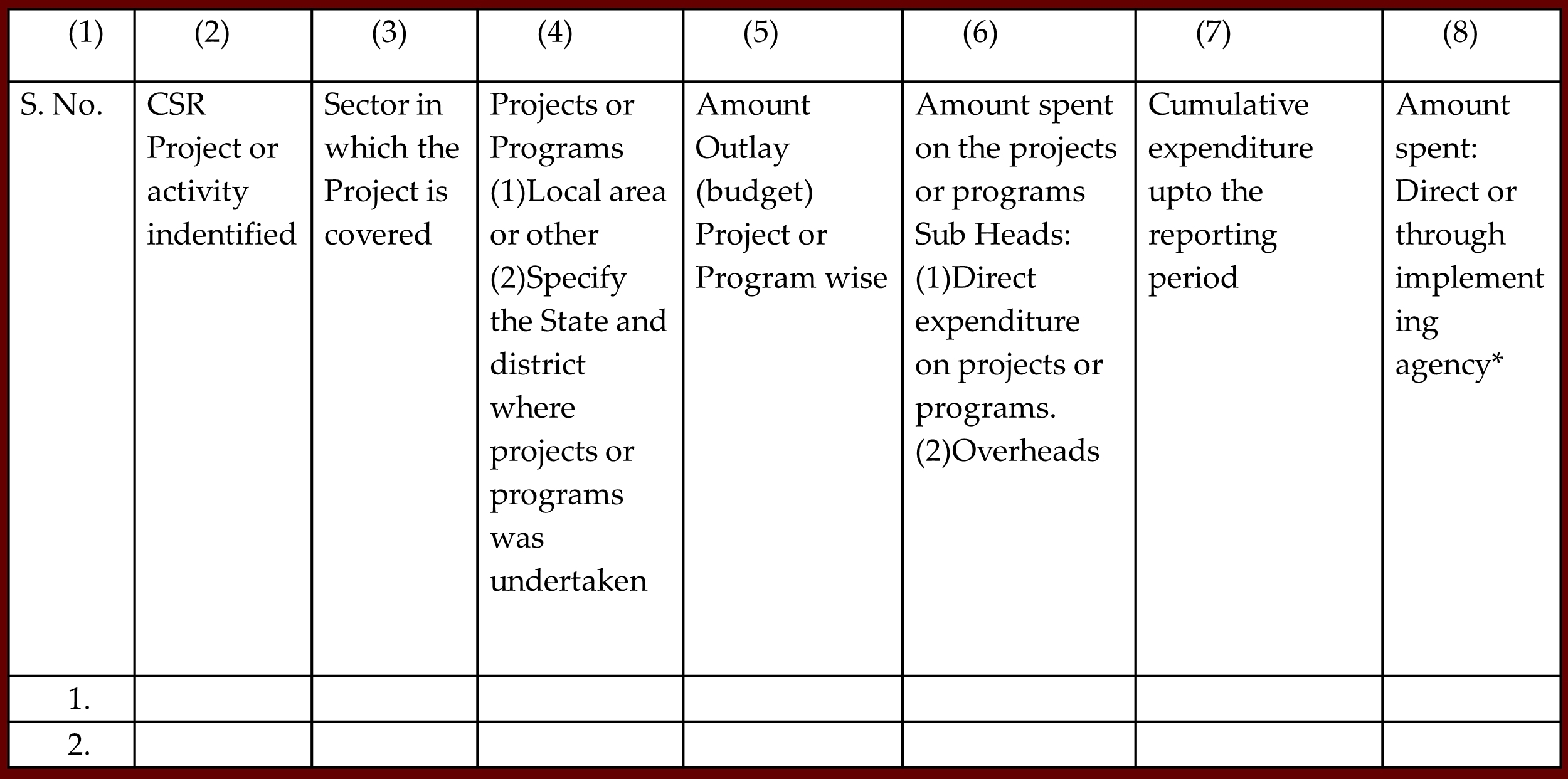
*Give details of implementing agency
In case of a Foreign Company Balance Sheet filed under Section 381(1)(b) shall contain annexure regarding report on CSR. [Rule 8(2)]
Note :
Report on CSR would be signed by the CEO or Managing Director and Chairman of CSR Committee. In case company has failed to spend two percent of net profit on CSR, the company shall have to provide reasons for such failure in the Board Report.
9.Dissemination of Information on CSR Activities
The CSR Policy as approved by the Board shall be included on the Board’s Report and same shall be displayed on the website of the Company, if any.[Section 135(2) & Rule 9]
10.Activities to be undertaken under Corporate Social Responsibility Policy
(As per Schedule VII of The Companies Act, 2013)
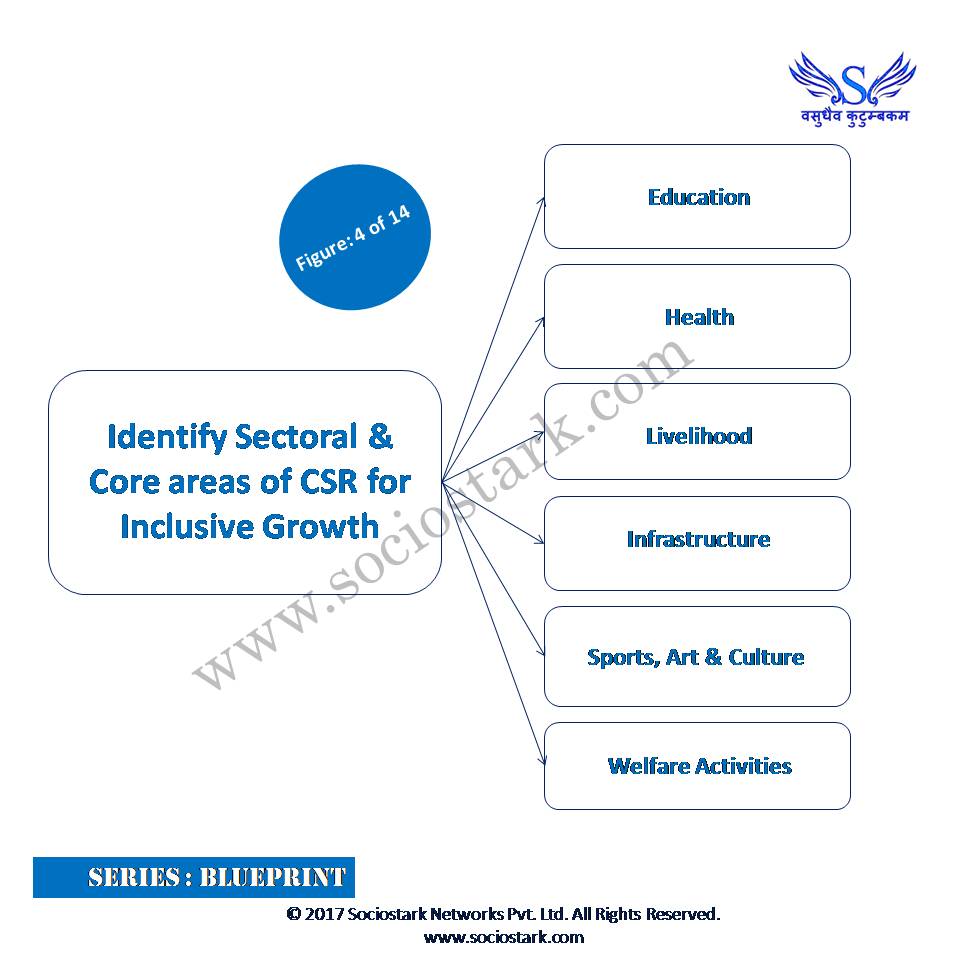
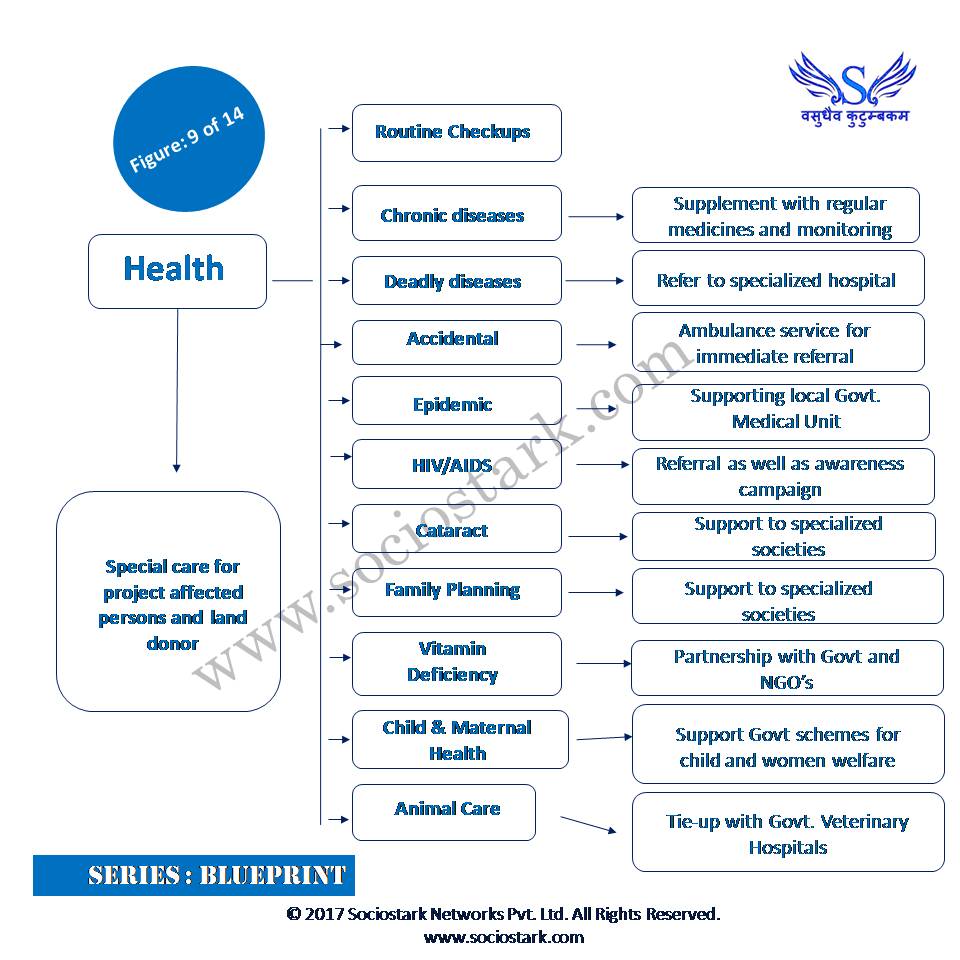
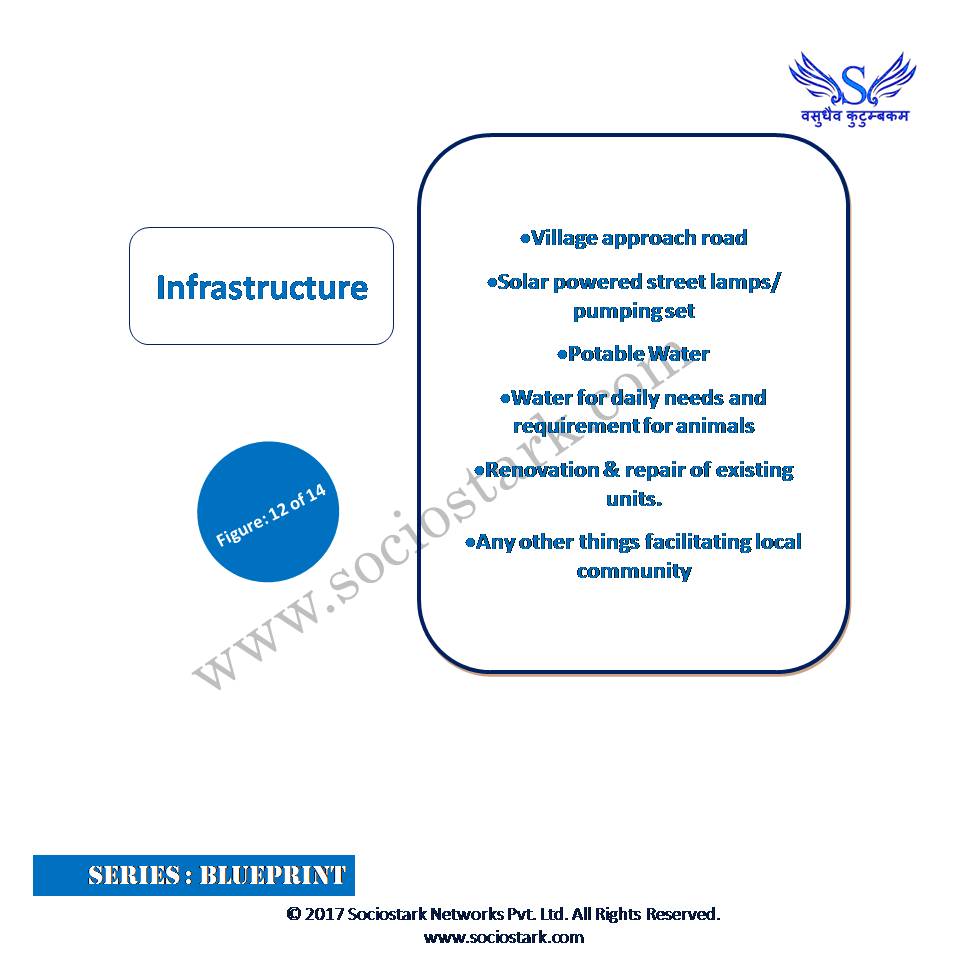
i.Eradicating hunger, poverty and malnutrition, promoting health care including preventive health care “including contribution to the Swach Bharat Kosh set-up by the Central Government for the promotion of sanitation” and making available safe drinking water;
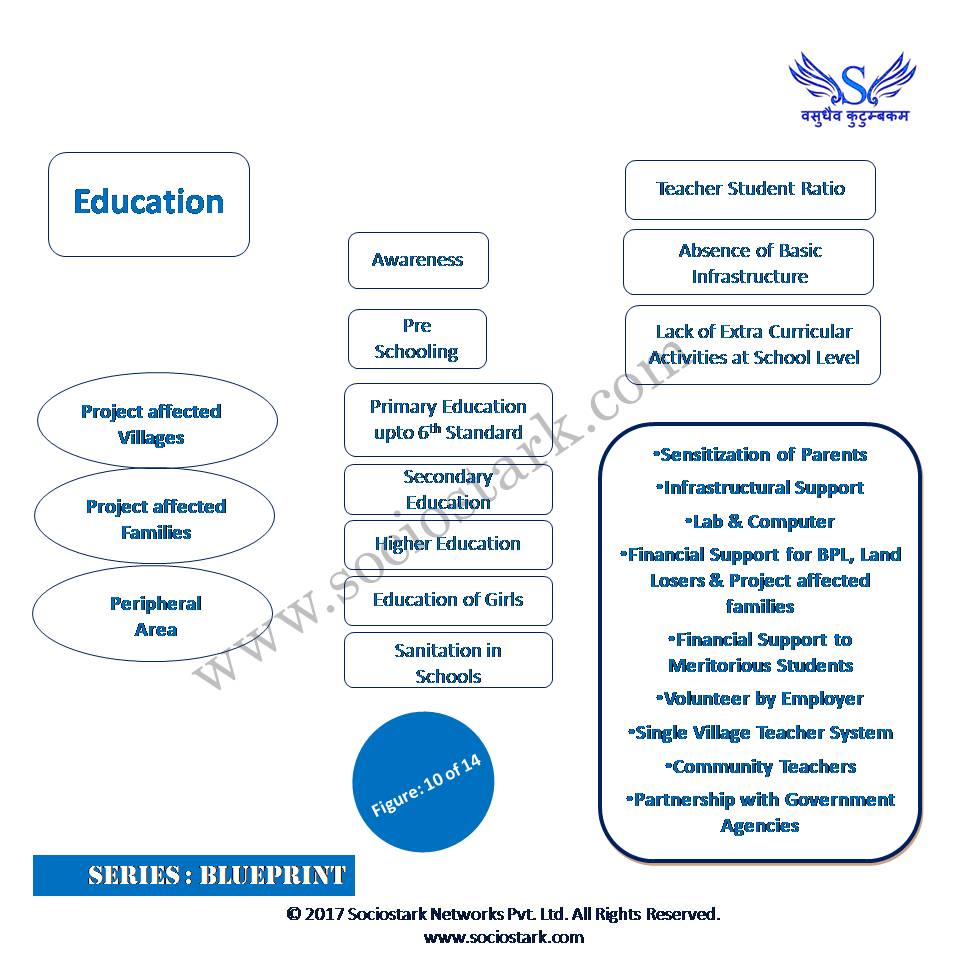
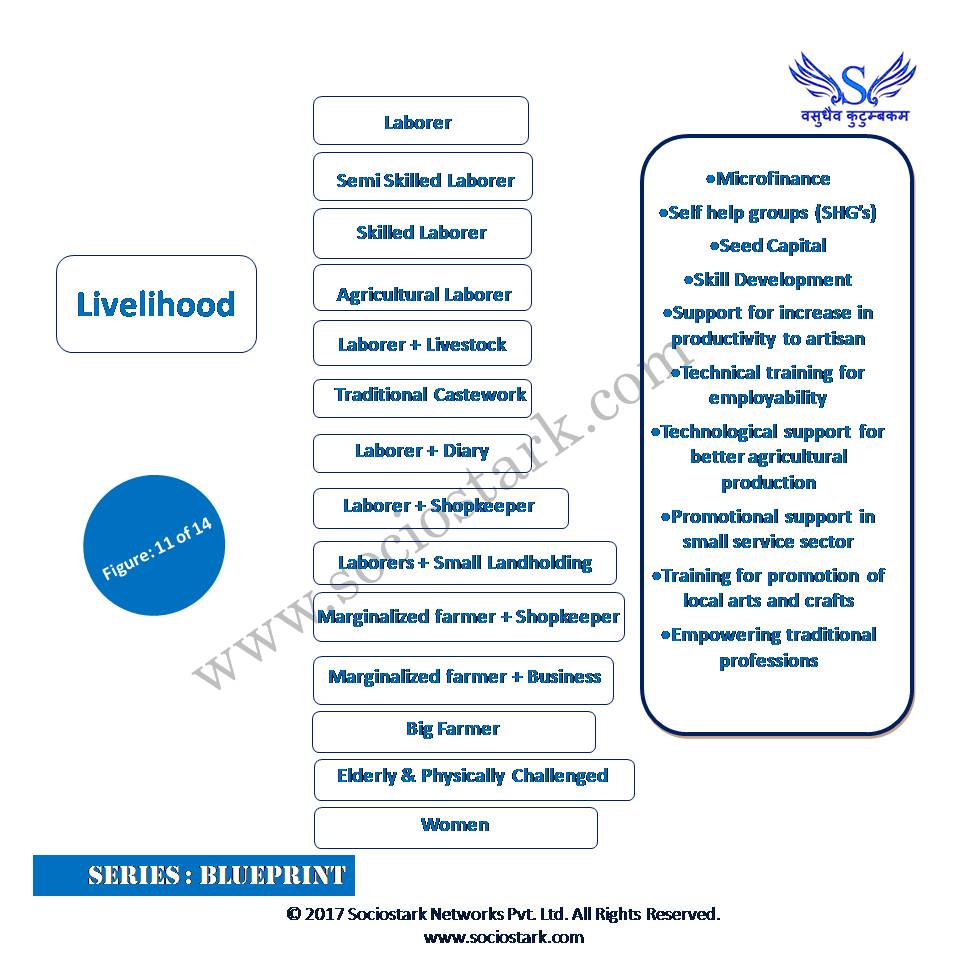
ii.Promoting education, including special education and employment enhancing vocation skills especially among children, women, elderly, and the differently-able and livelihood enhancement projects;
iii.Promoting gender equality, empowering women, setting up homes and hostels for women and orphans, setting up old age homes, day care centers and such other facilities for senior citizens and measures for reducing inequalities faced by socially and economically backward classes;
iv.Ensuring environmental sustainability, ecological balance, protection of flora and fauna, animal welfare, agro forestry, conservation of natural resources and maintaining quality of soil, air and water; “including contribution to the Clean Ganga Fund setup by the Central Government for rejuvenation of river Ganga;”
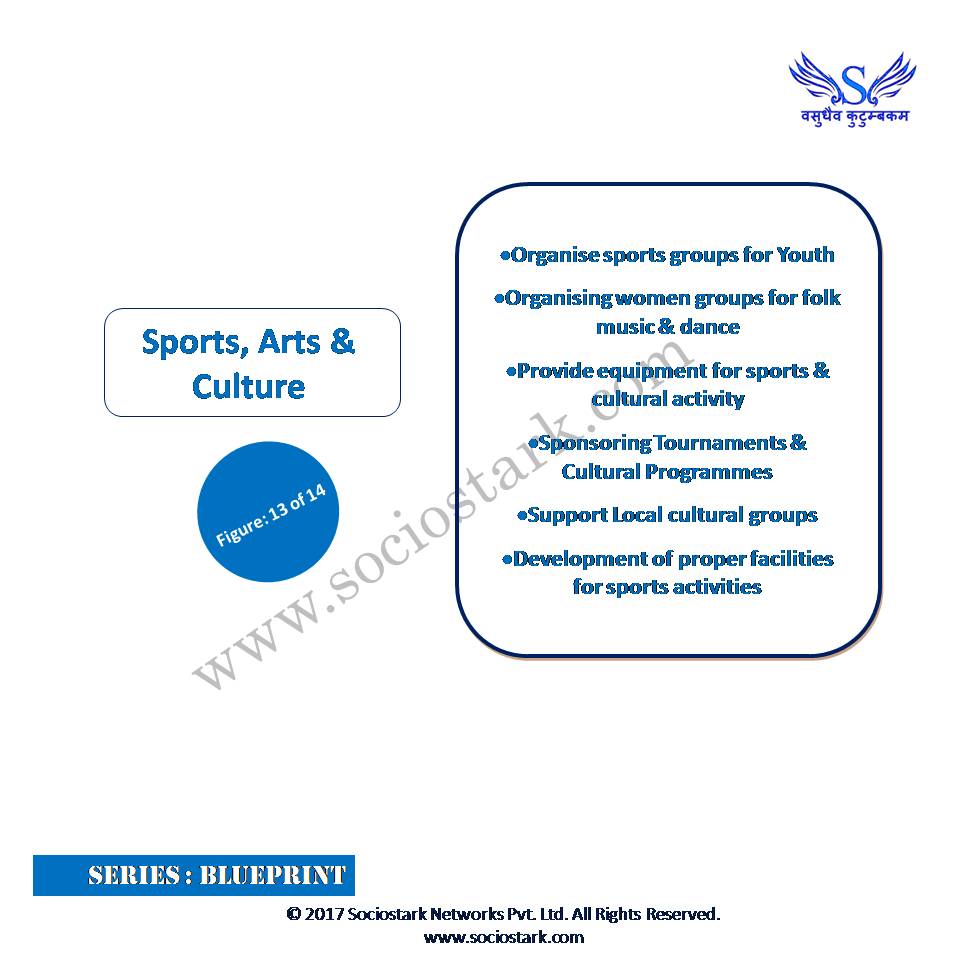
v.Protection of national heritage, art and culture including restoration of building and sites of historical importance and works of art, setting up public libraries, promotion and development of traditional arts and handicrafts;
vi.Measures for the benefit of armed forces veterans, war widows and their dependants;
vii.Training to promote rural sports, nationally recognized sports and Olympic sports;
viii.Contribution to Prime Minister’s National Relief Fund or any other fund set up by the Central Government for socio-economic development and relief and welfare of the Scheduled Caste, the Scheduled Tribe, Other Backward Classes, minorities and women;
ix.Contributions or Funds provided to technology incubators located within academic institutions which are approved by Central Government;
x.Rural development projects.
xi.Slum area development.
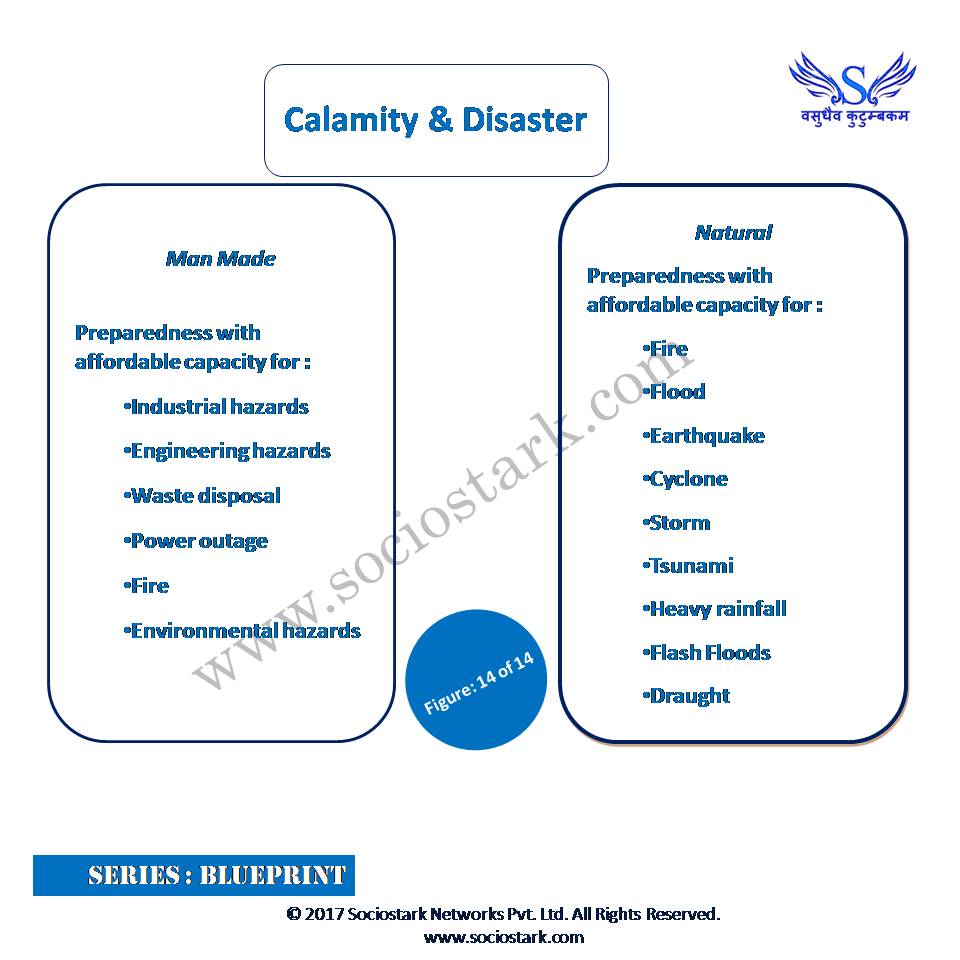
xii.Disaster Management, including relief, rehabilitation and re construction activities.
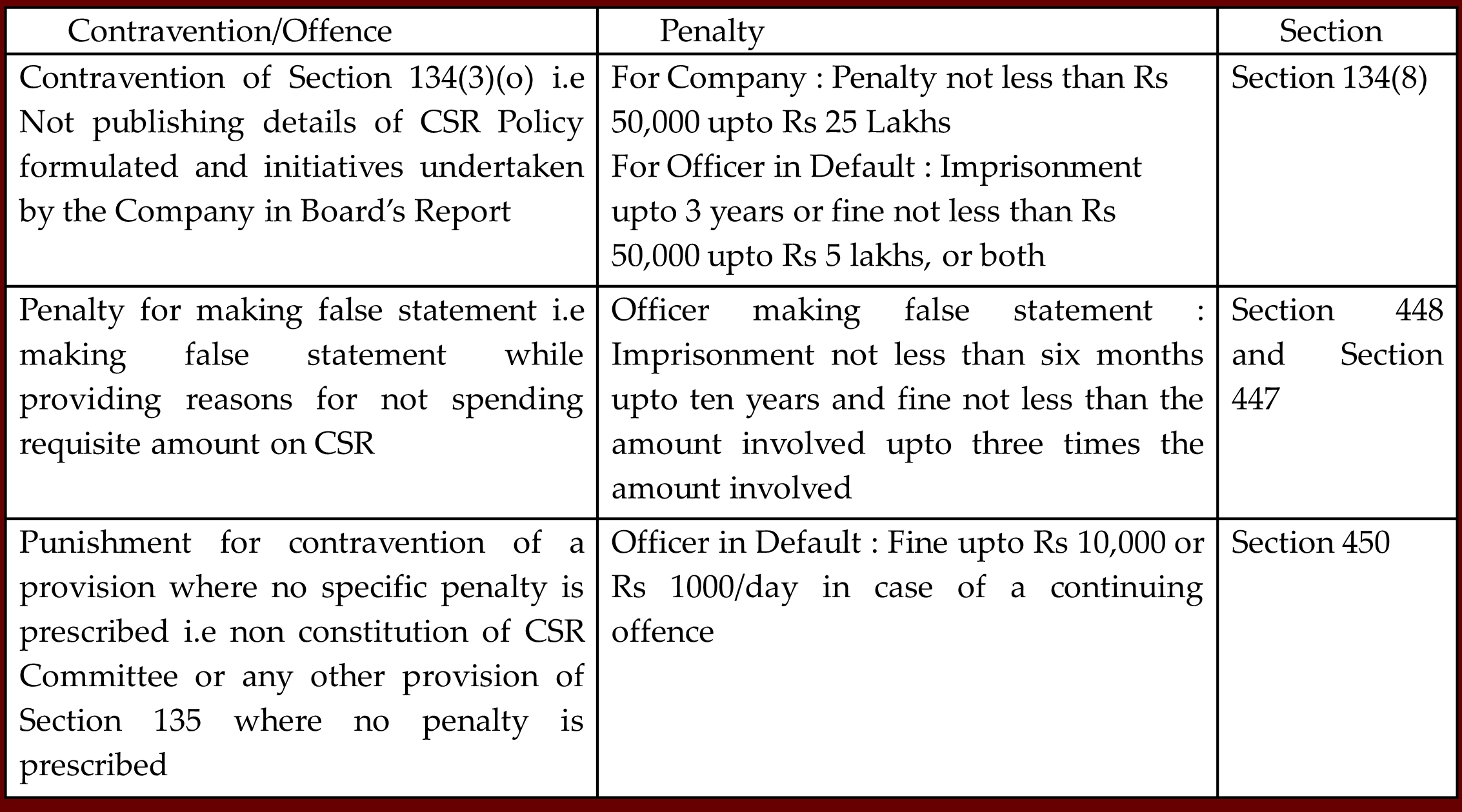
11.Penalties for Non Compliance
12.Tax Treatment of CSR Expenditure
No specific tax exemptions have been extended to CSR expenditure per se. Finance Act, 2014 also clarifies that expenditure on CSR does not form part of business expenditure. While no specific tax exemption has been extended to expenditure incurred on CSR, spending on several activities like contributions to Prime Minister’s Relief Fund, scientific research, rural development projects, skill development projects, agricultural extension projects, etc., which find place in Schedule VII, already enjoy exemptions under different sections of the Income Tax Act, 1961.
* Here “Officer in Default” means officer as defined under section 2(60) and would normally include a whole time director, Key managerial person, or any director who was aware of such contravention and didn’t object to it or any other person authorized by the Board for doing such act, etc.
Planning, Strategizing & Management of CSR
in accordance of rules:
STEP 1
Frame working CSR strategy :
Explanation :
While specifying the annual report requirements, the draft rules says that company must provide:
STEP 2
Strategy :
Actions :
STEP 3
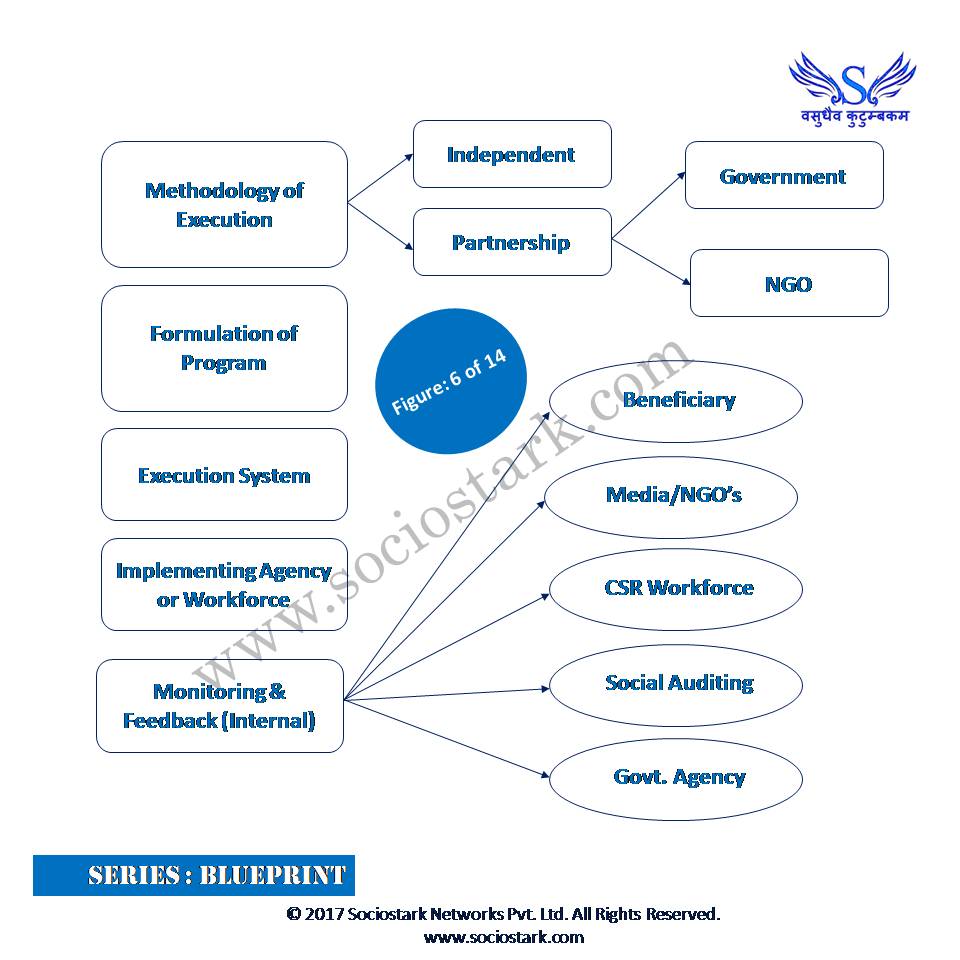
Implementation mechanism :
Corporate/company has to decide how they want to implement their CSR projects, they have many options that too permitted by the Act.
To get the best return of their intellectual and financial investment they are required to select their implementation agencies.
The above decisions should be based on the financial, geographical, Societal requirement and the business need of the company. For large infrastructure company they require combination of all, for SME self & partnership with NGO or the development agencies, for service sector company other implementing partner seem to be better choice.
Some important key points for understanding :
STEP 4
Selection of the implementation partner :
Company must assess, evaluate & examine about the implementation partner, determine the risks as well as the benefits of working with partner.
It requires intelligent and skilled approach to ensure the reputation, integrity, competence of the partner in delivering the program on ground.
The process consists of five primary areas for investigation:
STEP 5
Identification of the projects :
STEP 6
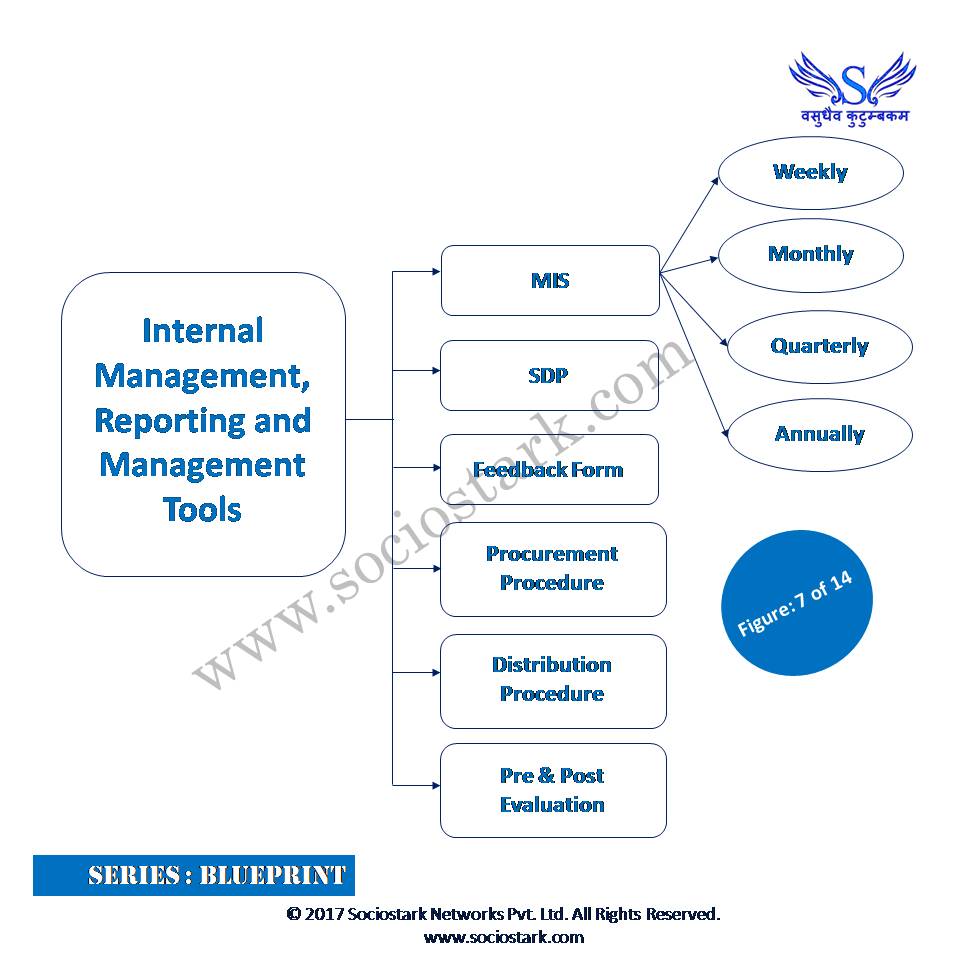
Project approval, Monitoring & Reporting :
India & Role of CSR
India in 21st century moving with great pace in economics, trade, industry, agriculture, education, infrastructures and science, we are now exporting country without taking loans and grants from international agencies or country, this is one face of development on the other side India still striving with population pressure, poverty, hunger, health, quality education, inequality & gender equality, potable water, clean environment and many more.
As the country endeavor to occupy an important position in the world. The 21st century gave business an effective tool i.e. “CSR” for sustainable business and as an opportunity to give back to society & make a better planet. Mandatory "CSR" in India provide a defined framework with clear objectives to make the Nation strong, recognizing the managerial efficiency and effectiveness of program implementation.
Companies have to target those sectors where people are unable to get the bare minimum basic livelihood and infrastructure in the country. Adaptation of inclusive development process as business practice and with increasing awareness of this gap between “the haves and have-nots”, societal expectations will be on the higher side from the corporate sector.
Irrespective of the caste, creed, gender, worker, professional, economic level, Government or Corporate all should come together to make INDIA shining by endeavoring to remove sufferings.
Many companies have been aware of this development, and have responded proactively while others have done so only when pushed. Governments as well as regulators have responded to this unrest and first National Voluntary Guidelines for Social, Environmental and Economic Responsibilities of Business and then a new Act enacted by Indian parliament in 2013, replacing more than six decade old Company Act including compulsory CSR in section 135 to bring Corporate to contribute in National inclusive growth.
Some estimates indicate that CSR commitments from companies can amount to as much as 20,000 crore INR. To me this act does not pressure to company, rather it gives direction to make them prepared for futures of sustainable business. This combination of regulatory as well as societal pressure has meant that, companies have to pursue their CSR activities more professionally. More structured practices for companies and grant-making foundations so as to assist companies pursue their CSR activities effectively, while remaining aligned with the requirements of the Companies Act, 2013.
TATA, ITC, Birla and many more companies are practicing the Corporate Social Responsibility (CSR) for decades, more than regulatory expectations long before CSR become a popular basis. CSR is in infancy in India with lack of understanding, inadequately trained personnel, coverage etc.
Corporate can create a great impact on their internal stakeholders and also support societal initiatives. There are many instances where corporate have played a dominant role in addressing issues of education, health, environment and livelihoods through their corporate social responsibility interventions across the country.
As per United Nations and the European Commission, Corporate Social Responsibility (CSR) leads to triple bottom-line: profits, protection of environment and fight for social justice. Time has come when CSO, NGO Government and corporate sectors should work together to create appropriate means and avenues for the marginalized and bring them to the mainstream. In India, CSR needs to identify core issues and align them to company’s development strategy. It is important for the corporate sector to identify, promote and implement successful policies and practices that achieve triple bottom-line results.
CSR cannot be viewed simply as a collection of good citizenship activities; it should be the business culture that has significant impact on society. India needs this vision to be enacted in to build CSR into a movement. The public and private organizations will need to come together to set standards, share best practices, jointly promote CSR and use the resources in Nation building.
The 2010 list of Forbes Asia’s ‘48 Heroes of Philanthropy’ contains four Indians. The 2009 list also featured four Indians. India has been named among the top ten Asian countries paying increasing importance towards corporate social responsibility (CSR) disclosure norms.
India was ranked fourth in the list, according to social enterprise CSR Asia's Asian Sustainability Ranking (ASR), released in October 2009. Although corporate India is involved in CSR activities, the central government is working on a framework for quantifying the CSR initiatives of companies to promote them further.
Besides the private sector, the government is also ensuring that the public sector companies participate actively in CSR initiatives. The Department of Public Enterprises (DPE) has prepared guidelines for central public sector enterprises to take up important corporate social responsibility projects to be funded by 2-5 per cent of the company's net profits.
“Sustainable development implies optimizing financial position while not depleting social and environmental aspects and according to Companies Act, CSR implies supporting issues related to children, women, hunger, poverty, rural development and environment”.
Now CSR in India has gone beyond merely charity and donations, and is approached in a more organized fashion. It has become an integral part of the corporate strategy. Companies have CSR teams that devise specific policies, Strategies and goals for their CSR programs and set aside budgets to support them. India has become one of the countries where CSR is mandatory.
These programs, in many cases, are based on a clearly defined social philosophy or are closely aligned with the companies’ business expertise. A handful corporate houses are dedicated and practicing the CSR as they are dictated by the very basis of their existence.
It is observed that many companies are promoting their CSR activities and uses it as a tool for Marketing. This denotes that the companies are far from perfect as their emphasis is not on social good but as a promotion policy.
A CSR strategy that is focused on avoiding regulatory liability and maintaining a license to operate in the current business will neither lead to current competitive advantage nor an imagination of future business models.
In order to leverage its CSR/sustainability strategy for competitive advantage, an organization needs the advanced capabilities of organizational learning and sustainable innovation. These two capabilities are critical for building sustainable business models that will lead to future sustained competitive advantage.
CSR has come a long way in India. From responsive activities to sustainable initiatives, corporate have clearly exhibited their ability to make a significant difference in the society and improve the overall quality of life.
In the current social situation in India, it is difficult for one single entity to bring about change, as the scale is enormous. Corporate have the expertise, strategic thinking, manpower and money to facilitate extensive social change. Effective partnerships between corporate, NGOs and the government will place India’s social development on a faster track.
Issues & Challenges
After the Second World War, a variety of national and international regulations arose through bodies such as the International Labor Organization (ILO) emphasizing the need for an active social policy, This additional driver, international institutions, has relevance for India through the work of the ILO, the OECD, Socially Responsible Investment (SRI), the SA8000 Social Accountability scheme and through the work of the UN Commission on Human Rights which tackled the human rights responsibilities.
In India, some public sector companies even spend more than mandatory percentage of their profits on CSR activities. Pressure groups have been quite successful in inducing companies to fund CSR schemes.
The survey conducted by Times of India group on CSR used a sample size of 250 companies involved in CSR activities through a method of online administration of questionnaire. The questionnaire was evolved after due diligence including focus group meetings, consultations with key stakeholders and a pilot in four metros. Finally 82 organizations responded to the questionnaire. These comprised 11 public sector undertakings (PSUs), 39 private national agencies and 32 private multinational organizations. Only 33 per cent of the sample size given the facts.
Visibility Factor: The role of media in highlighting good cases of successful CSR initiatives is welcomed as it spreads good stories and sensitizes the local population about various ongoing CSR initiatives of companies. This apparent influence of gaining visibility and branding exercise often leads many nongovernmental organizations to involve themselves in event-based programs.
Narrow Perception towards CSR Initiatives: Non-governmental organizations and Government agencies usually possess a narrow outlook towards the CSR initiatives of companies, often defining CSR initiatives more donor-driven than local in approach. As a result, they find it hard to decide whether they should participate in such activities at all in medium and long run.
Recommendations
In order to crystal gaze the future of CSR in India and for understanding of issues at the ground level it is necessary :
CSR initiatives and programs should go to rural area more from urban areas and localities to cater the need of needy and the poor in the rural areas. It does not mean that there are no poor and needy in urban India but after all, more than 70 per cent people still reside in rural India.
Government should continue rewarding and recognizing corporate houses and their partner non-governmental organizations implementing projects that effectively cover the poor and the underprivileged as easy grant of 12A, 80G and Foreign Contribution Regulation Act (FCRA) license and other fiscal incentives including matching project grants and tax breaks for social and development projects.
CSR as a subject or discipline should be made compulsory at business schools and in colleges and universities to sensitize students about social and development issues and the role of CSR in helping corporate houses strike a judicious balance between their business and societal concerns. Such an approach will encourage and motivate young minds, prepare them face future development challenges and help them work towards finding more innovative solutions to the concerns of the needy and the poor.
Using CSR to implement projects in the areas of health, education, environment, livelihood, disaster management and women empowerment, to mention a few. In many such contexts, it’s noticed that companies end up duplicating each others’ efforts on similar projects in the same geographical locations.
Partnerships between the Government and other interest groups have been well defined in policy documents at all levels, needs to be practiced at ground level.
Conclusion
CSR is now compulsory challenge that needs to be implemented and put into the DNA of corporate business culture, each initiative for everyone should not be free of cost, corporate being the most expert entity of management needs to innovate some system which fulfills the stakeholder’s expectation, regulatory compliances as well keep their initiatives free from notion of charity & all its earning must be re invested in the CSR projects.
Align CSR Strategies with Organizational Objectives
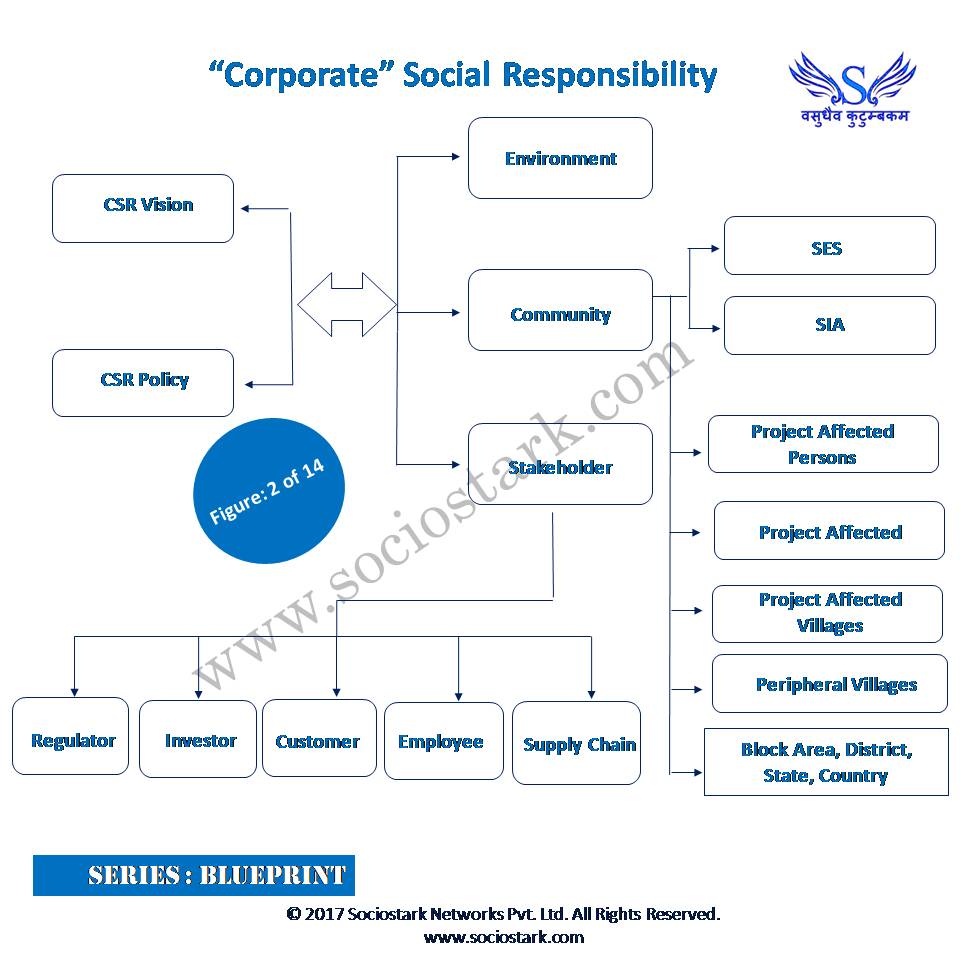
In our discussions and study and also visualizing the National & International scenario, today CSR has became the game changer for business as well demand of the time. Aligning CSR strategies with organizational objectives are essential for sustainable business & stakeholders expectations (community, consumers, employees, suppliers, partners, retailers, investors & regulators).
A large number of companies are doing lots of things for their CSR, even you are doing so many things for CSR but my question is; is it effective, efficient, cost saving, impacting positivity, giving dividend to company or to society ? If your reply is not much positive then think why? The answer is simple that your efforts might be haphazard, disorganized, unaligned with your corporate objective, social needs & market demand.
Therefore it is the right time to align your CSR strategy with corporate objective and concentrate your effort on well thought, well designed sustainable programs.
Always remember CSR creates “HOPE” for good business & good society.
Many corporate are fixing their objectives, strategies for growth, productivity, supply, market, capital, efficiency & human resource and accordingly their work force endeavor to achieve the objective by giving best effort through defined strategies.
Unfortunately, in many company CSR strategies are not so clear as compared to the other corporate strategies, CSR efforts are random, unfocused, unlinked with business and overall corporate goals.
It is pertinent to draw your attention towards recent Indian Companies Act 2013, the act is no doubt a well thought & propounded for Indian pretext based on Business sustainability. To give more focused CSR, board of Directors are made responsible and disclosure of expenditure are made mandatory.
No doubt that CSR expenditure is mandatory for certain companies under The Companies Act, 2013, but it could be said that the real intention of the government behind these provisions was to provide an opportunity to corporate to bridge the gap between society and business.
The time has come when every business unit must have a clear vision of CSR embedded in corporate culture and reflected by the core value of the company – recognizing that it creates social, environmental and business value. CSR should be treated and managed as core business function i.e. other functions production, sales, finance, supply & HR instead of ad hoc CSR.
Method of Integrating CSR in Business Strategy
Integrating CSR into Business Strategies and Practice
Following steps are essential and helps in integrating CSR in to business strategies and practices :
Step 1: Define vision, mission, objective and commitment.
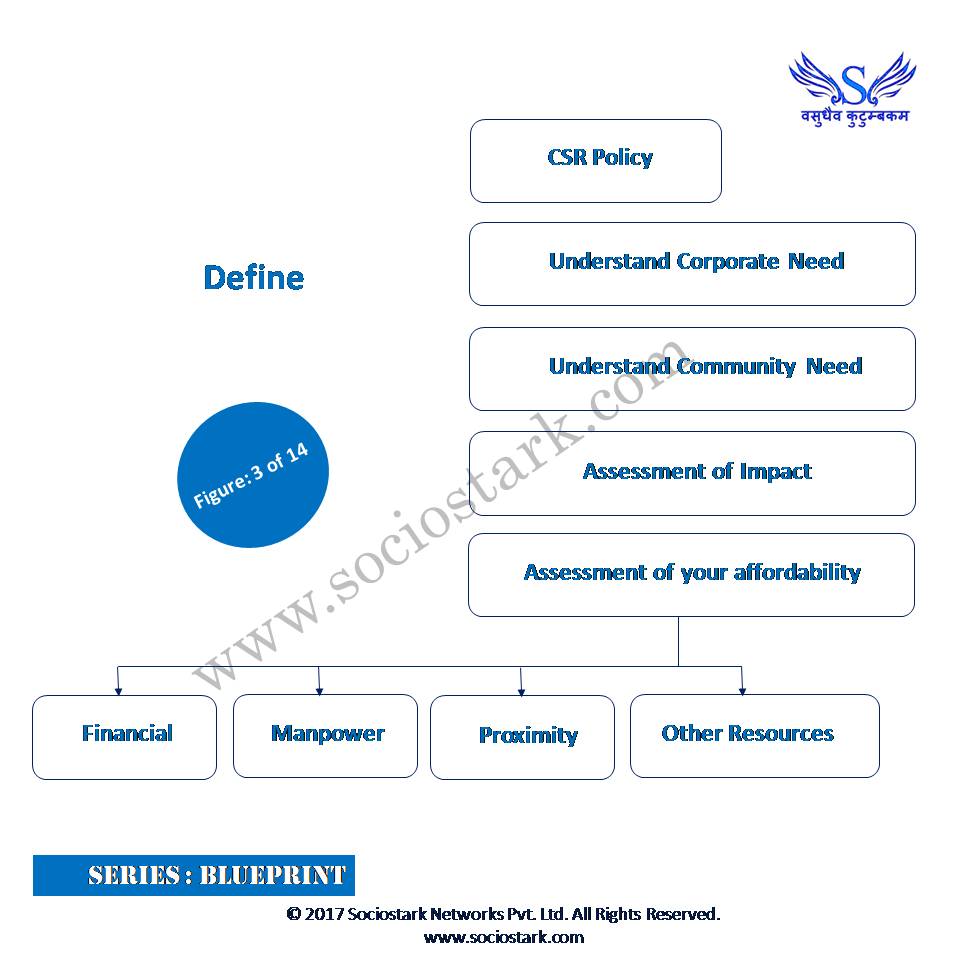
Step 2: Assess your capacity & affordability.
Step 3: Assessment of external environment and relate it to your business.
Step 4: Review your internal structure, strategy & plan of action.
Step 5: Develop implementation methodology.
Step 6: Measure impact & report.
Step 7: Get feedback from stakeholders, Govt. and civil societies.
Forces at Work Affect Business
Globalization – Today the business has crossed the national boundaries, corporations, organizations, business and governments are dealing with others in the global market for finance, raw materials, sales etc. Environmentalist lamented globalization for its destructive impact, social activist & indigenous peoples blaming it for disappearance of local culture.
Increasing Competition - Global competition has created the business turbulence & instability which will probably never stop. Increasing intensity of competition, force companies to consider CSR as tool for competitive advantages.
Technological development - Technological development influences sustainability of business. Information systems have become an integral part of how organizations work and compete. In order to be used effectively, technology needs to be understood. It can transform markets, alleviating burdensome tasks, enabling greater customization of production, and contributing to high labor displacement. Incorporating CSR into technology i.e. making safe and ecology friendly products leads to a better competitive advantage.
Human capital - Human capital is the value that an employee provides to an employer. This value is related to skills, knowledge, and experience, which employees use in any type of business. Like any investment in other factors of production, businesses should also invest in human capital and link employee work objectives to business goals. What is missing is CSR. Integrating CSR into employee work objectives can foster competitive advantages & retention.
Legislation - In India, the concept of CSR is governed by section 135 of the Companies Act, 2013. The CSR provisions & rules are the mandatory, thus it is necessary to include CSR in the business strategy as well as to their priorities.
The forces and trends, elaborated above, bring us to stakeholders concerns in terms of integrating the interests and needs of customers, employees, business partners, the environment, communities and investors into business strategies and practice.
"No doubt when CSR is aligned to business strategy, Company will succeed in creating value, increased production, increased sales, easy entrance in new market, create brand differentiation over competitors, attracts investor and collaborators and reach the sectoral bench marks". - Abinash Chandra Jha.
Know Your Society or The Target Group
(Socio - Economic Survey)
Socio - Economic survey is an important part of any business organization to know about their core stakeholder the “community”, where they operate or intend to operate & sell their product or services.
The sole aim of the Socio Economic study is to plan your business for sustainability along with the transformation of the society living around your business.
Only then, you make your plan & strategy for growth and development. Thus SES is a modest attempt to develop an insight of the various social, cultural and economic aspects of the targeted society.
While conducting the survey we study the Socio-Economic and cultural aspects, living conditions, health and hygiene, educational status, transport & communication facilities, water supply and the problems faced by the people of the area. The information obtained its analysis and interpretation can be used for decision making for business initiatives as well social initiatives.
Aims and Objectives
The development of area depends on Geo-Socioeconomic setting of the area.
To know about the local area, it’s past, present and various problems relating to its Socio-Economic condition.
To get acquainted with the past and present geographic environment.
To get acquainted with the past and present social environment.
To be able to appreciate the rich cultural heritage.
To know about the educational status of the particular village and reasons of their educational backwardness, if any.
To know about the economic background of the village and the families.
To know about the living standards of the villagers.
To know about the transportation & communication facilities of the village.
To know about the population growth and their views and consciousness regarding this.
To know about the health and hygiene of the villagers and the medical facilities of the area.
To know about the domestic production of the villagers.
To know about the games, sports and cultural activities.
To know about the water supply, electricity etc.
To know about how much the villagers get benefit from informed education.
To know the attitude of the parents towards the education of their children.
So the “Socio-Economic Survey” plays a pivot role for successful business.
Social Impact Assessment
Introduction
The impacts of development projects occur in different forms. While significant benefits result for the society, the project area people may often bear the brunt of adverse impacts. This has given rise to the need to understand beforehand the implications of adverse project impacts so that mitigation plans could be put in place, well in advance.
An assessment of social impact prior to the commencement of a new project or expansion of an existing is now obligatory under the new national R&R policy. In short, it aims to provide practical guidance on carrying out Social Impact Assessment.
Social Impacts and Social Impact Assessment
For better understanding of the social consequences of policies, plans, programs and projects (PPPPs). Social Impact Assessment helps in understanding such impacts.
Social Impact Assessment guides the planners about benefits and costs of a proposed project, which may be social and/or economic. The knowledge of these likely impacts in advance can help decision-makers in deciding whether the project should proceed, or proceed with some changes, or dropped completely. The most useful outcome of a SIA is to develop mitigation plans to overcome the potential negative impacts on individuals and communities.
SIA is now part of the formal planning processes in most development organizations. SIA is a legal requirement. SIA is a way to assess the impacts of development projects before they go ahead.
What are Social Impacts?
We can define social impacts as “the consequences to human populations of any public or private actions that alter the ways in which people live, work, play, relate to one another, organize to meet their needs, and generally cope as members of society. The term also includes cultural impacts involving changes to the norms, values, and beliefs that guide and rationalize their cognition of themselves and their society”.
Changes may effect :
Employment,
Income,
Production,
Way of life,
Culture,
Political systems,
Environment,
Health and well-being,
Personal and property rights,
Fears and aspirations,
Religious & sentimental feelings & many more.
These impacts can be positive or negative. In short, a social impact is a significant improvement or deterioration in people’s well-being.
Projects affect different groups differently. Some people tends to be benefited, others lose. Often, impacts are particularly severe for vulnerable groups: tribal people, women-headed households, elderly persons, landless persons, and the poor.
Impact is not same for all projects
Impacts differ from urban to rural.
Impacts differ from projects to project.
Mining, steel, cement, beverage, fertilizer, washeries, IT, electronics, medicine, heavy chemical, war weapons etc has their own way of impacting society and environment.
Hydropower, big dams badly disturbs habitat and adverse changes in agro-production systems.
In urban projects people are affected by loss of jobs, not by loss of agricultural lands.
Social & Cultural
Break-up of community cohesion
Disintegration of social support systems
Disruption of women’s economic activities
Loss of time-honored sacred places of worship
Loss of archeological sites and other cultural property
Economic
Loss of agricultural lands, tress, wells
Loss of dwellings and other farm buildings
Loss of access to common property resources
Loss of shops, commercial buildings
Loss of businesses/jobs
Overall reduction in income due to above losses
Public Infrastructure and services
Government office buildings
School buildings
Hospitals
Roads
Street lighting
Identifying Impoverishment Risks
Identifying impoverishment risks which projects often create is part of the exercise to identify adverse project impacts. The impoverishment risks analysis model adds substantially to the tools used for explaining, diagnosing, predicting, and planning for development.
Most common impoverishment risks to the project area people are as follows:
Landlessness: Expropriation of land removes the main foundation upon which peoples’ productive systems, commercial activities and livelihoods are constructed.
Joblessness: Loss of employment and wages occurs more in urban areas, but it also affects rural people, depriving landless laborers, service workers, artisans, and small business owners of their sources of income.
Homelessness: Loss of housing and shelter is temporary for the majority of displaces, but threatens to become chronic for the most vulnerable. Considered in a broader cultural sense, homelessness is also loss of a group’s cultural space and identity.
Marginalization: Marginalization occurs when families lose economic power and spiral downwards. It sets in when new investments in the area are prohibited, long before the actual displacement. Middle-income farm households become small landholders; small shopkeepers and craftsmen are downsized and slip below poverty thresholds. Economic marginalization is often accompanied by social and psychological marginalization and manifests itself in a downward mobility in social status, displaced persons’ loss of confidence in society and in themselves, a feeling of injustice and increased vulnerability.
Food Insecurity: Forced displacement increases the risk that people will undergo chronic food insecurity, defined as calorie-protein intake levels below the minimum necessary for normal growth and work. Sudden drops in food crops availability and income are endemic to physical relocation and hunger lingers as a long-term effect.
Increased Morbidity and Mortality: The health of affected persons tends to deteriorate rapidly due to malnutrition, increased stress and psychological traumas. Unsafe water supply and waste disposal tend to proliferate infectious disease, and mortality increases. The risk is highest for the weakest population segments – infants, children, and the elderly.
Loss of Access to Common Property: Loss of access to commonly owned assets (forestlands, water bodies, grazing lands, and so on) is often overlooked and uncompensated, particularly for the asset less.
Social Disarticulation: Community dispersal means dismantling of structures of social organization and loss of mutual help networks. Although this loss of social capital is harder to quantify, it impoverishes and dis-empowers affected persons.
What is Social Impact Assessment?
There is no generally agreed definition of Social Impact Assessment (SIA). It may be defined as a process that seeks to assess, in advance, the social repercussions that are likely to follow from projects undertaken to promote development, such as dams, mines, industries, highways, ports, airports, urban development and power projects. It is a tool that can help decision-makers to foresee the likely negative impacts of their actions so that steps necessary to prevent or at least to contain them could be taken in time. As an aid to the decision making process, SIA provides information on social and cultural factors that need to be taken into account in any decision that affects the lives of project area people.
Advantages of Doing Social Impact Assessment
The main advantages of doing a systematic Social Impact Assessment (SIA) include the following:
Identifying Affected Groups: SIA helps in identifying people and groups who affect or are affected by the project.
Allying Fears and Winning Trust: SIA can help allay fears of affected groups and build a basis of trust and cooperation which is so essential for successful project implementation.
Avoiding Adverse Impacts: SIA provides the basis for preparing mitigation measures to avoid, reduce or manage adverse impacts.
Enhancing Positive Impacts: SIA preparation also helps identify measures to maximize/share project benefits.
Reducing Costs: Addressing social impacts at an early stage helps to avoid costly errors in future.
Getting Approval Faster: A well prepared SIA demonstrates that social impacts are taken seriously and helps in getting project clearance faster.
Thus Social impact assessment is prediction for decision makers to understand the consequences of their decisions before they act and that the people affected will not only be satisfied of the effects, but have the opportunity to participate in designing their sustainable future as well as that of business & society.
CSR & Inclusive Societal Growth
India is a developing country & we want to be in the line with the developed countries and if we want or need to match our self, we have to keep increasing pace of inclusive growth that is “Broad based growth, shared growth, and pro-poor growth”. We need to decrease the growth of poverty in the country and increase the involvement of people into the growth process of the country.
Only then, the gap of extreme poor and extreme rich can be bridged & a developed society of India can be created.
CSR as a Tool for Inclusive Growth
CSR not only includes the activities that a company undertakes in order to utilize their profit to enable social and environmental development, but also includes the methods that a company employs in order to earn these profits including socially responsible investments, and transparency to various stakeholders among others. Realizing the importance and the long-term benefit many companies has adopted socially responsible business practices.
Business & Industry sectors are the critical driver of Inclusive growth. It stimulates economic development and growth because of its transformative impact on production processes and wealth that it creates through value addition to primary resources.
Provides foundation for entrepreneurship.
Promotes business investment.
Fosters technological up gradation & innovations.
Improves human skills.
Creates direct & indirect job opportunities.
Enhance service sector business & employability.
Provide market for agro, agro based produce & other local produce.
Expand different other source of employment & income generation.
Elements of Inclusive Growth
In fact inclusive and sustainable Business/Industrial development is the only solution to meet the global objectives of eradicating poverty and reducing income disparities while minimizing environmental damage. Inclusive growth by its very definition implies an equitable allocation of resources with benefits incurred to every section of the society.
Inclusive growth can bring reduction in the incidence of poverty, significant improvement in health issues, and universal access for children to school, increased access to higher education and improved standards of education, including skill development. There should also be an improvement in employment opportunities, increase in wage rates, and betterment in livelihoods and improvement in provision of basic amenities like water, electricity, roads, sanitation and housing. Corporate can endeavor to overcome the social commitment of their CSR initiatives. CSR programs need to be explored to put positive impact on the economic, social and environmental sector which directly affects their relationship with investors, employees and customers.
Although the prime goal of a company is to generate profits, companies can at the same time contribute to social and environmental objectives by integrating CSR as a strategic investment into their business strategy.
Industrial growth with a firm commitment on social responsibility is an important component for inclusiveness of growth in India.
Triple Bottom Line Concept of CSR(PPP)
John Elkington in his book “Cannibals with Forks” in the year 1998 gave the concept of Triple bottom line. He said that a company's responsibility lies with stakeholders rather than shareholders.
"Stakeholders" refers to anyone who influences or is influenced either directly or indirectly, by the actions of the Business. And according to this concept the basic stakeholders are:
Stakeholders
Corporate stakeholders are those who can affect or be affected by the actions of the business as a whole. Or "those groups without whose support the organization would cease to exist."
Now question arises that who are our Stakeholders and it must be clear that share holders are one of our important stake holders not the stakeholder as a whole.
The Pivotal role that Businesses play for inclusive growth of any society or Nation is undoubtful. It is expected from them to create wealth, supply product, generate employment, innovate and produce a sufficient surplus to sustain its activities and improve its competitiveness, while contributing the development of the community where it operates. Sustainable & successful business depends on relationships and trust they earn and this inspires their stakeholders to give their best to the company to achieve their objectives. Business and society are inter-dependent and business must take full account of the societal expectations.
The “Stakeholder” theory provides a theoretical framework of how one can best manage their stakeholders by meeting their expectations and maintain relationship with trust.
From the very of inception of any company or Business the role of Stakeholders or you can say their contribution of stakeholder even at the time of inception of any business facilitates and help to achieve corporate objective of wealth-creation, that is Profit. So no one can be ignored or exploited.
Eminent CSR researcher Mallen Baker in 2004 defined that CSR is about how companies manage the business processes to produce an overall positive impact on society. Outside stakeholders are taking an increasing interest in the activities of the company.
The above illustration of Mr. Baker is sufficient to explain the relationship and role of stakeholders towards any of Corporate or Business.
This diagram can be considered in companies to symbolize effects on the economy, social affairs and the environment. CSR management integrates social and ecological goals into the corporate activities in such a way that the economic success can be combined with the benefit for the society and the environment.
Stakeholders Engagement & Management
Stakeholder’s engagement and continuous communication is essential for any business growth, sustainability and future planning for CSR strategy to tackle critical situations.
The first question in front of the CSR team is how to engage and manage your stake holders?
Stakeholder engagement differs from Stakeholder management, it implies a willingness to listen & discuss your issues of interest. While management is an art for long term benefits for the organization based on reconciling sometimes disparate stakeholders’ wants and needs (investors, employees, customers, suppliers etc.).
Effective stakeholder engagement starts in our own backyard first i.e the internal stakeholders, and then comes external stakeholder engagement. But be careful that your stakeholder’s universe is big enough so you have to prioritize among them. Stakeholder engagement is really an innovative process and well practiced with the help of modern communication tools, so it is you to find out the way, approach and best practice.
If CSR is to minimize negative and maximize positive environmental and social impacts, then with effective stakeholders’ engagement the issues of stakeholders are immediately identified and necessary actions are undertaken. Companies have no choice whether they want to engage with stakeholders or not; the only decision they need to take is when and how successfully to engage. Stakeholder engagement is necessary for any type of organization: business, public or civil society. It is particularly important in the context of running an organization responsibly for its sustainability.
Organizations who face hostile communities or unfavorable NGOs’, understand the importance of developing stakeholder relationships. This is important for senior executives, who shapes and lead their organization’s policy towards stakeholders. Earlier engagement and management is better than later.
Effective CSR requires the engagement of multiple stakeholders; and it is difficult to coordinate all its efforts effectively. A strategic planning that involves external interests requires a strong commitment to engagement.
When company’s reputation, common perception, understandings of reality, brand image or environmental sustainability, impressions, beliefs and feelings of stakeholders, success or failure in the marketplace, community cooperation are on the stake, the role of CSR becomes important. This is the driving force for corporate social responsibility
McKinsey recently published a report on why CSR has largely failed to live up to expectations. The reasons being:-
Benefits of CSR
Benefits to Company:-
Benefits to the Community and the General Public:-
Environmental Benefits:-
Prerequisites for effective CSR
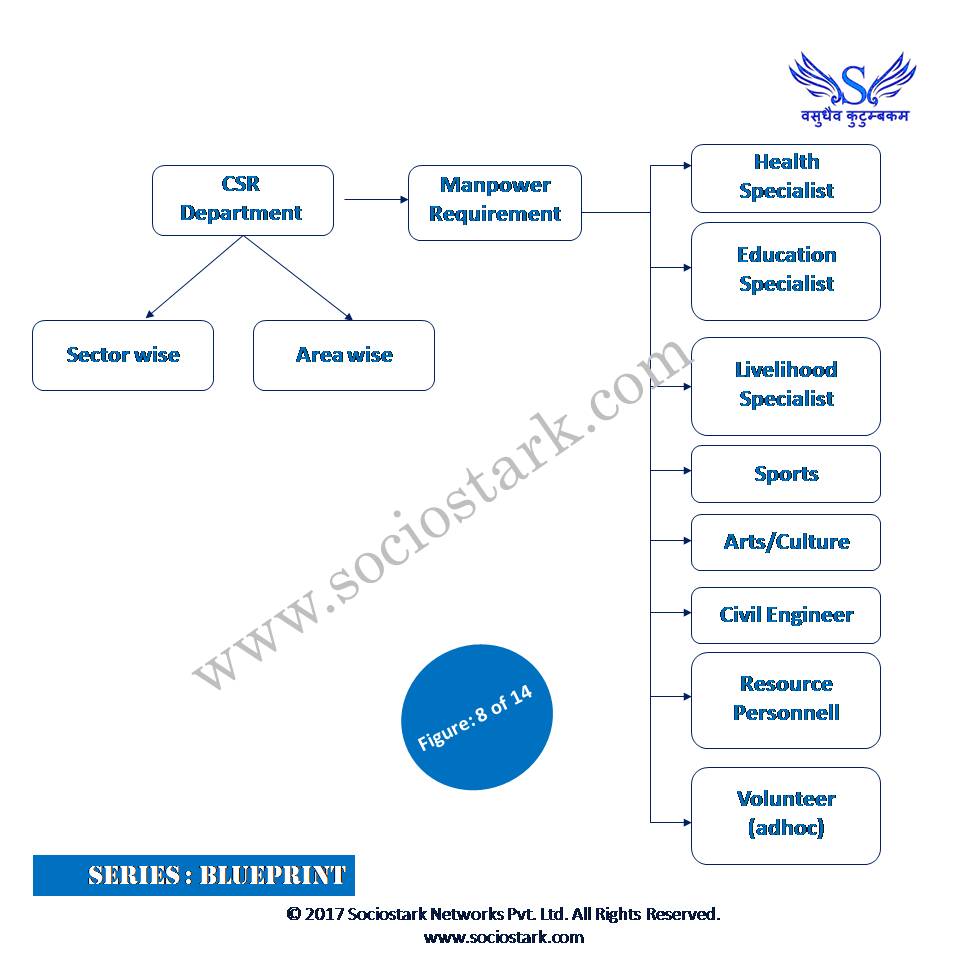
Personnel
PROGRAMS
Approach
Conclusion:-
Not by providing money but to provide them opportunity to get skilled and take alternate occupation for their livelihood, Company needs to be supportive in shifting their occupation.
11. Always keep detailed data, photo, and video of pre & post programs.
12. Preparation of annual report of CSR for the purpose Top management & Board of director’s & global reporting to achieve recognition.
13. Always keep coordination and communication with press, media and voluntary organization whether the program or initiatives are small or big.
CSR-call of the time
CSR & Business
Many companies think that corporate social responsibility is a peripheral issue for their business and customer satisfaction is more important for them. They perceive that customer satisfaction is now only about price and service, but they fail to point out on important changes that are taking place worldwide that could blow the business out of the water. This change is named as social responsibility, which is an opportunity for the business. According to the following pyramid defined by C.K. Prahlad (An eminent scholar & professor of Michigan business school) the power in any sense lies at the bottom of pyramid, therefore if you want to get success whether in business or in any other field you cannot ignore the bottom of pyramid.
Why business need to be responsible?CSR & Society
Corporate Social Responsibility is Corporate Commitment to Society. Business is the cornerstone of prosperity in society & companies create the resources that permit social development and welfare along with profit maximization. So you can say that society is integral part of any business and business owes responsible behavior towards them.
Dimensions of CSR
Corporate Social Responsibility is not just for a companies or business houses it is for all business leaders and managers of tomorrow. So they must understand why CSR has become the integral part of any business. Here attempts are made to simplify the CSR in totality.
Carroll’s CSR Pyramid
According to Carroll (1991), “corporate social responsibility involves the conduct of a business so that it is economically profitable, law abiding, ethical and socially supportive. To be socially responsible means that profitability and obedience to the law are foremost conditions when discussing the firm’s ethics and the extent to which it supports the society in which it exists with contributions of money, time and talent”. And the different layers in the pyramid help managers see the different types of obligations that society expects from businesses.
Economic responsibility - It concerns the responsibility of business for producing goods and services needed by society and selling them at certain profit. Companies have shareholders who demand a reasonable return on their investments, they have employees who want safe and fairly paid jobs, and they have customers who demand good quality products at a fair price. So, here comes the first responsibility of the business as it is to be a properly functioning economic unit and sustain in business. And this is the base of the pyramid, where all the other layers rest on.
Legal responsibility - The legal responsibility demands that businesses should abide by the law and play by the rules of the game.
Ethical Responsibility - The main concept of ethical responsibility as defined and expressed by Carroll (1991) is that generally expected by society over and above economic and legal expectations. Ethical responsibilities of companies cover its wide range of responsibilities & are not necessarily imposed by law, but they are expected from companies by the public and governments.
Philanthropic responsibility - As it is in the top of the pyramid, actions that fall into the voluntariness are those that you are not required to do but these actions are based in what your company believes is the correct thing to do. They may be based in specific ethical values that your company holds.
CSR concept
Numerous definitions of CSR are available on a simple click on internet, which will show you a large variety of definition differing from each other in many aspects but at its core all definition speaks about care of stakeholder’s interest, community growth, environment management and regulatory compliances.
"Corporate Social Responsibility is the continuing commitment by business to behave ethically and contribute to economic development while improving the quality of life of the workforce and their families as well as of the local community and society at large"
World Business Council for Sustainable Development - 2003
For us CSR is behavior & concern of the company to run business in a manner that meets the ethical, legal, commercial, environmental and stakeholder’s expectations. Giving back to society for next generation & taking affordable care of the community where the company operates or with whom the company relates their business.
From the above definitions, it is clear that:
CSR & Indian Ethics
The word CSR is not new to Indian society & culture; it is well embedded in our blood from the ancient period. It is the conversion & improvisation of our Ethics & moral values.
CSR has had a deep-rooted connection in India. The coining of term ‘CSR’ has link between ‘karma’ as espoused by sacred Indian texts and initiatives anchored by corporate as responsible citizens.
Management theories and concepts from the west have dominated the world for over two centuries. This dominance is due to the colonization, industrialization and widespread use of English. And over the period of time Indian concept of social responsibility has been neglected which have been there since the time of Rig-Veda.
Business, its existence & Sustainability
Business is a process of an economic activity with single or group of people involved in continuous and regular production and distribution of goods and services to earn profit by satisfying human needs and rational use of resources under the periphery of law of the land as well as national & international legal parameters. Time has come when we realize that inclusive growth of the society is basic criteria of survival of Business.
Now the very basic question arises that the business or Industries are for what ?
For profit?
For charity?
To provide product & Services?
To convert natural resources, raw material into product?
Or to engage certain people, or group of people and give them better life?
Why the Businesses exist?
No doubt the answer is simply profit but the fact is that, a Company is a group of people who work together to accomplish organizational objectives. Therefore this group of people (more clearly the promoters, investor, suppliers, employee, land owners, consumers, political players & regulators) are the stakeholders of the company.
A company directly or indirectly takes land, habitat, livelihood, pasture, source of water, social infrastructure & many more things to establish Business Empire. Without these, business could not be established, so is the role of many other stakeholders for business growth. Therefore it is essential for business fraternity to contribute in a way that there must be sustainable growth & development of every stakeholder.
Businesses cannot exist unless all of its above mentioned stakeholders are satisfied by its product, service, behavior, accountability and regulatory compliance etc. Today’s society expects more from a business. Since businesses earn profit from society, it expects that a part of the profit should be spent for the betterment of the society at large.
Businesses of today must run its activities in a socially acceptable way, if they desire to sustain in the long run. Businesses should operate without jeopardizing the fate of the future generation. And for that, businesses need to think for the society, environment, and stakeholders. Long run relationship with the stakeholders can ensure long run sustainability of a business. This is the reason why corporate social responsibility currently has gained so much importance.
The entirety of CSR can be discerned from the three words contained within its title phrase: ‘Corporate’, ‘Social’ and ‘Responsibility.’ Therefore, in broad terms, CSR covers the responsibilities of corporations towards the societies within which they are based and operate.
Business sustainability
According to European Union (EU) CSR is “the concept that an enterprise is accountable for its impact on all relevant stakeholders. It is the continuing commitment by business to behave fairly and responsibly, and contribute to economic development while improving the quality of life of the work force and their families as well as of the local community and society at large”.
In other words success of the business lies on meeting the expectations of stakeholders by inclusion of economic, social and environmental considerations into a company’s operations. It also means making profit by fair means, contribute positively to society and manage your organization’s environmental impact.
Copyright © 2017 Sociostark Networks Pvt. Ltd. All Rights Reserved
A Alankar Jha Production.
New user here ?
sociostark provides you a solution of your questions, by directly asking it with experts and profile partners
Add another Sector which is not mentioned in our category